When everyday routines feel hard
Neurofeedback for Kids
Neurofeedback for kids may offer a calmer option when homework, transitions, and big feelings keep taking over the day.
Comfortable for Kids
Fits Family Life
Support for Hard Days
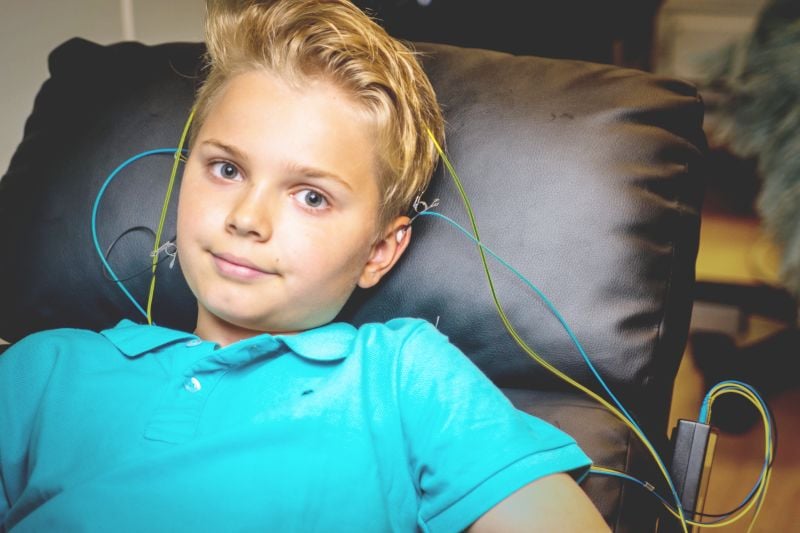
Support for the moments that keep repeating
When small moments feel big
What looks small from the outside can feel huge inside your home. When everyday routines start feeling harder than they should, many families begin looking for support that feels calmer, more realistic, and easier to bring into daily life.
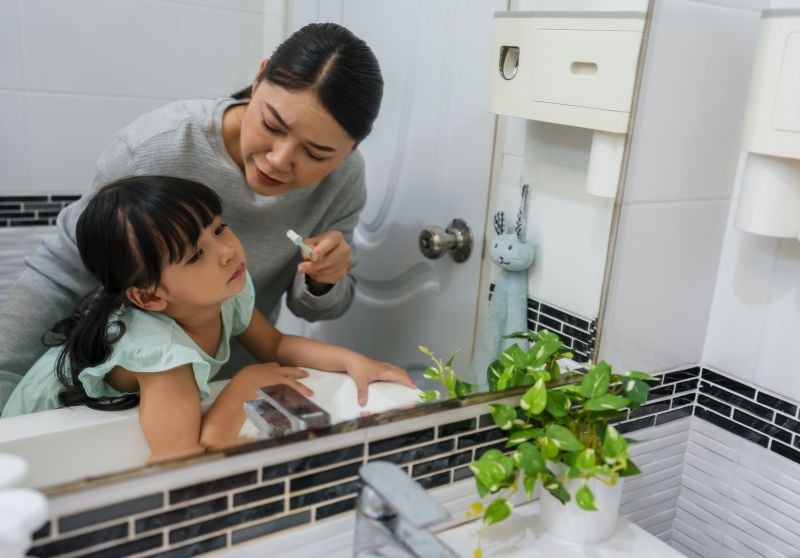
Morning routine for kids
A morning routine for kids can feel tense before school even begins, especially when small tasks take more support, more time, or more energy than expected.

Difficulty with transitions
Difficulty with transitions can make it harder to move through the day, from leaving the house to adjusting when plans change.

Child refuses to do homework
When a child refuses to do homework, the pressure of the day can carry into the evening, making schoolwork feel stressful for everyone at home.
Emotional regulation for kids
Emotional regulation for kids can become a daily concern when frustration builds across the day and small moments start to feel much bigger at home.
Safety and comfort
Is Neurofeedback Safe for Kids?
Safety is often one of the first questions families ask when exploring neurofeedback for kids.
With NeurOptimal®, sessions are non-invasive, sensor-based, and designed to feel simple for children.
Nothing Is Sent Into the Brain
The sensors do not send electricity, stimulation, or frequencies into the brain.
Read-Only Sensors
Sensors monitor brain activity and send information to the NeurOptimal® software.
Feedback Through Sound
Feedback happens through brief pauses or interruptions in the music or audio.
No Performance Required
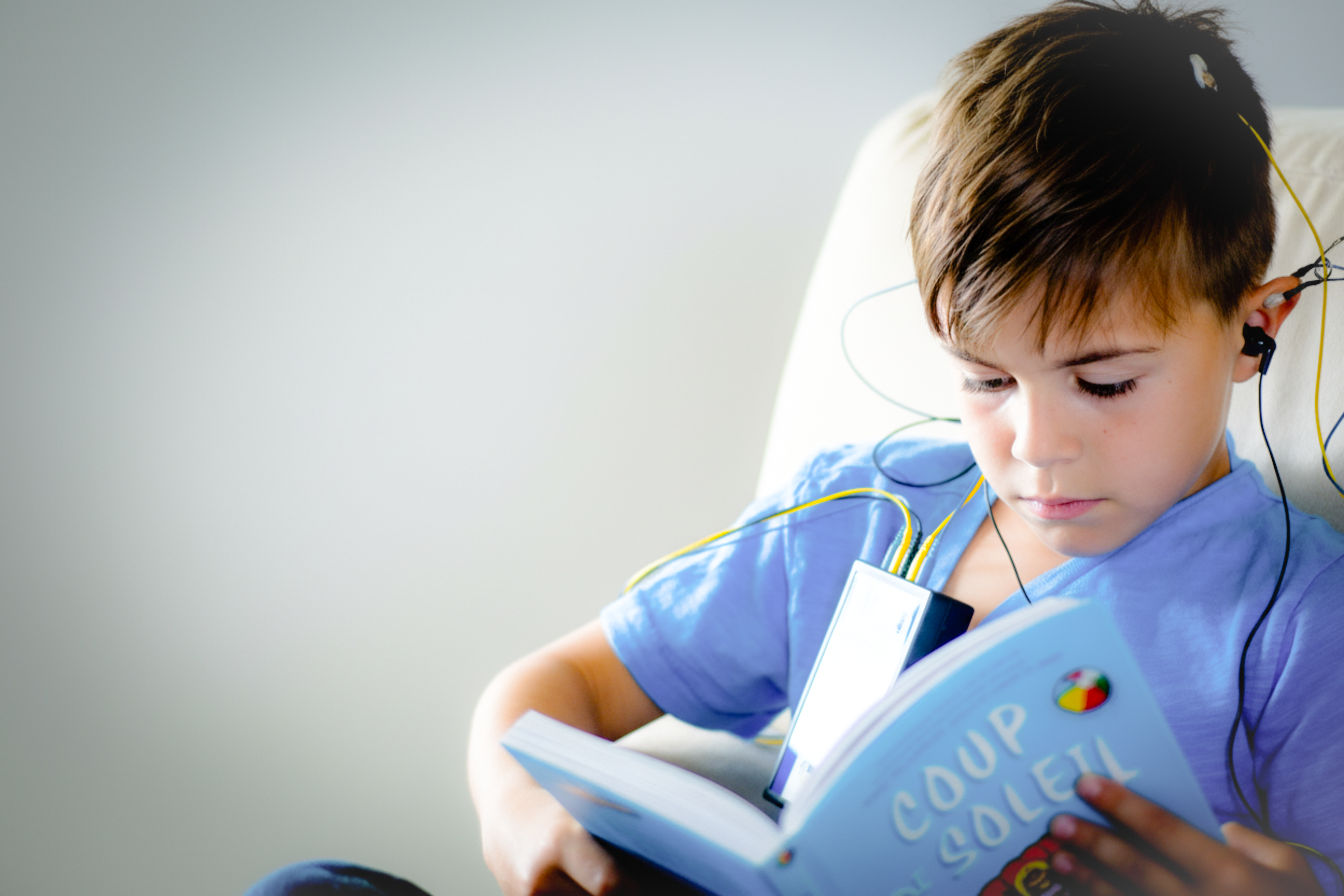
Children can relax, listen, watch, read, or sit comfortably during a session.
NeurOptimal® is not a medical device and does not diagnose or treat any disorder. It is a non-invasive training program that provides the brain with real-time information about its own activity. If a parent has health concerns about their child, they should contact their licensed primary healthcare provider.
A good next step
Is NeurOptimal® the right fit?
If homework, transitions, focus, or big feelings are affecting daily routines, a Discovery Call can help you understand how NeurOptimal® works and whether at-home brain training may be a realistic option for your family.
Want to hear from other users first? Read NeurOptimal® reviews
Have questions about purchasing your NeurOptimal® system?
At-home brain training
Brain Training for Kids
Brain training for kids should feel simple and approachable, not like another task a child has to get through. Unlike many brain exercises for kids, NeurOptimal® does not depend on drills, training games, scores, or screen-based exercises.
For families exploring neurofeedback for children at home, this can make the routine feel more realistic. Instead of planning around traffic, waiting rooms, and packed schedules, sessions can fit into the flow of normal family life.
During a session, a child may be:
Reading
Doing homework
Listening to music
Watching a show
Winding down
Sitting comfortably
Built around real routines
School days
Weekends
Quiet evenings
Homework time
Bedtime routines
Family schedules
That flexibility is often part of what makes at-home brain training feel calmer, simpler, and easier to return to consistently.