NeurOptimal® analyzes brain activity at millisecond speed and responds faster than any manual protocol. This built-in intelligence removes the need for protocol selection or EEG interpretation.
Comparison guide
NeurOptimal® vs Other Neurofeedback Systems
Many neurofeedback systems rely on practitioner-designed protocols, diagnoses, or assessments to decide what the brain should train. NeurOptimal® Dynamical Neurofeedback® works in a different way. It reflects real-time information back to the brain so the central nervous system can self-adjust naturally.
NeurOptimal® also starts from a different philosophy. You know your own experience better than any outside expert. You describe how you feel and what you want, rather than being guided by someone else’s interpretation or protocol choices.
Both approaches use feedback from brain activity, but they differ in how Sessions are set up, who makes decisions, and how easily they fit into everyday life and professional settings.
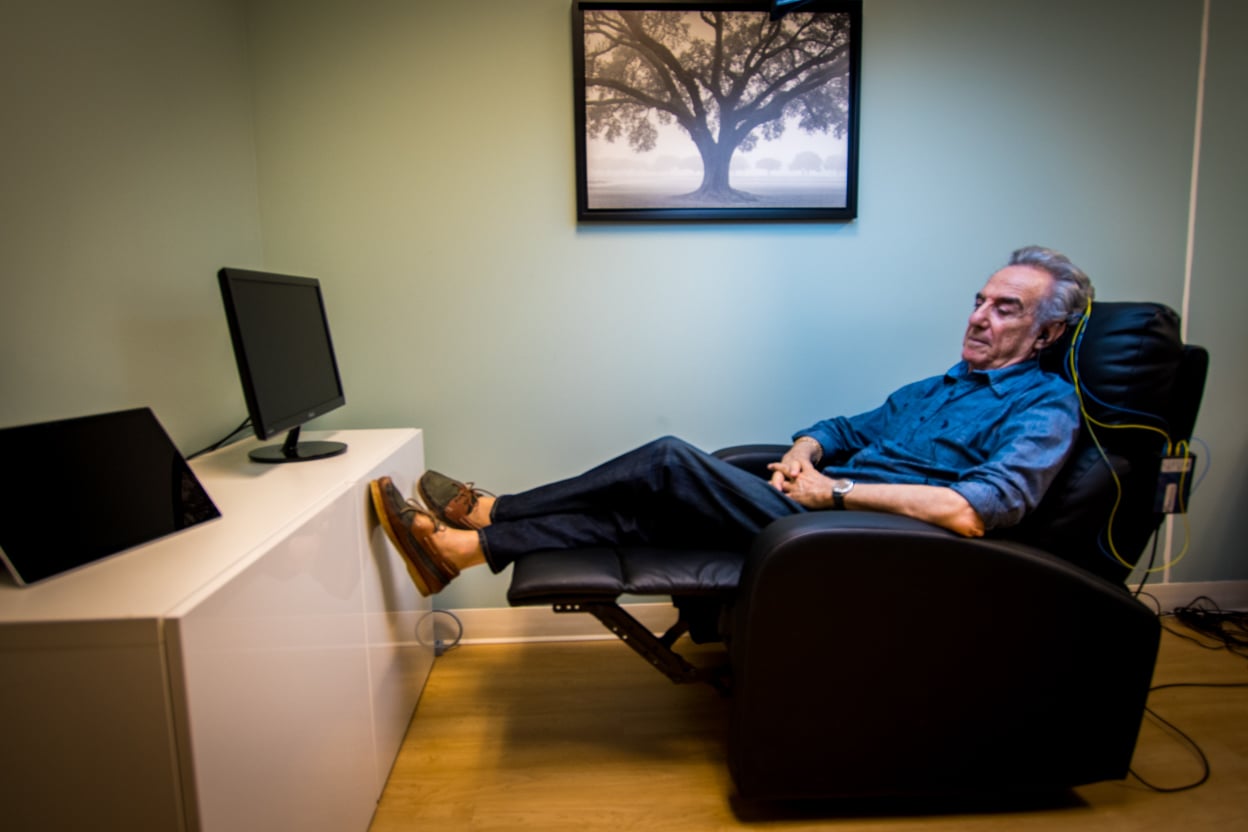
What makes NeurOptimal® different?
Its high-precision processing, auto-navigational design, and practical setup make it easy to use in homes, wellness businesses, and professional environments.
NeurOptimal® reflects real-time activity back to the brain, offering information the brain can use to self adjust rather than being trained toward practitioner-selected targets.
Micro-pauses in the audio respond the instant the brain shifts. This timing allows the system to interact with the central nervous system in its natural language of pure information.
Created as a general wellness and brain-training system that supports flexibility, resilience, and self-regulation rather than treating specific medical conditions.
How NeurOptimal® works
NeurOptimal® is a software-based neurofeedback system that collects electrical activity from both sides of the brain in real time. When the software detects that the brain is about to shift, it uses brief informational pauses in the audio or media the person is listening to, providing the central nervous system immediate information about its own activity.
Because NeurOptimal® processes information at millisecond speed, it interacts with the brain in its own language of pure information. It behaves more like a real-time partner than a simple tool, noticing and mirroring shifts so the brain can self-adjust with precision.
- Informational feedback. The system does not tell the brain what to do. It simply reflects information.
- High-precision and fully automated. No protocol selection or EEG interpretation.
- Moment-to-moment feedback. Timing is central, not only amplitude of specific frequencies.
- Designed as a wellness and brain-training tool that supports flexibility, resilience, and self-regulation.
How other neurofeedback systems work
Many other neurofeedback systems begin with assessments such as QEEG maps or structured questionnaires. A practitioner then designs protocols that reward or inhibit specific EEG frequencies at chosen sites.
During a Session, the system reinforces activity that fits the selected protocol and withholds reinforcement when activity moves away from the target. The aim is to encourage some patterns and reduce others over time.
- Protocol-based. Specific frequencies and locations are selected for training.
- Assessment-driven. Often uses diagnosis, symptom clusters, or mapping.
- Practitioner-managed. Requires ongoing monitoring and adjustments.
- Most often delivered in a clinical or office environment.
High-level comparison
These are the distinctions people ask about most when exploring NeurOptimal® alongside other neurofeedback systems.
| Feature | NeurOptimal® | Other neurofeedback systems |
|---|---|---|
| Diagnosis and protocols | No diagnosis or protocol design required. The system reflects real-time activity and the brain self-adjusts. | Often uses diagnosis, brain maps, and practitioner-created protocols. |
| Who decides what to change? | The central nervous system, using continuous feedback. | The practitioner, based on assessments and selected targets. |
| Where it is used | Homes, wellness businesses, clinics, schools, and performance settings worldwide. | Most often in clinical or office environments. |
| Home-friendly? | Designed to be practical and easy to use in both home and professional settings. | Typically delivered in-office under practitioner supervision. |
| System type | Fully automated Dynamical Neurofeedback® brain training. | Protocol-based approaches that often require manual adjustments. |
Key differences to remember
The core distinction is whether a practitioner is directing the Session or whether the brain is responding to real-time information moment by moment.
- Protocol based vs informational feedback: many other systems use toward practitioner-selected targets and protocols. NeurOptimal® continuously reflects real time information back to the central nervous system so the brain can self adjust without predefined goals.
- Movement vs stasis: protocol-based systems often train the brain to hold a specific state, which can create rigidity and side effects if the brain gets stuck there. NeurOptimal® supports movement, helping the brain shift fluidly between states and return to calm once the demand has passed.
- Protocols vs dynamics: protocol-based systems reward or inhibit specific EEG bands. NeurOptimal® continuously tracks shifts across broad ranges and reflects them back.
- Setup and operation: NeurOptimal® Sessions begin with only a few clicks, which makes them practical in homes, wellness spaces, and busy businesses.
- Positioning: NeurOptimal® is used as a general wellness and brain-training system rather than a medical treatment for specific conditions.
Which approach is right for you?
The best choice depends on your goals, your preferences, and how you want brain training to fit into your life or business.
NeurOptimal® may be a good fit if you:
- Want a fully automated system that does not require diagnosis or protocol design.
- Need something practical for home use, professional environments, or wellness businesses.
- Prefer a self-correcting, wellness-focused approach to supporting brain function.
- Plan to train family members, clients, or staff without becoming an EEG specialist.
Other neurofeedback systems may appeal if you:
- Are specifically seeking a protocol-driven model that is guided by a clinician.
- Prefer structured treatment plans delivered through regular in-office Sessions.
Many people begin by experiencing NeurOptimal® with a Trainer, then decide whether home training or building a brain-training business is the right long-term path.
NeurOptimal® FAQ
Explore clear, helpful answers to the most common questions about NeurOptimal® and neurofeedback.
Is NeurOptimal® the same as other neurofeedback systems?
No. NeurOptimal® is a Dynamical Neurofeedback® system. It is fully automated and offers real time informational feedback, providing moment-to-moment information so the brain can self-adjust. Other systems typically rely on protocols, diagnoses, and practitioner-selected targets.
Is NeurOptimal® a medical treatment?
NeurOptimal® is a training tool used as a general wellness and brain-training system. It does not diagnose, treat, or claim to cure medical or psychological conditions. Many users rely on it to support well-being, resilience, and performance as part of a healthy lifestyle.
Can NeurOptimal® be used at home?
Yes. NeurOptimal® is designed to be practical in both home and professional environments. Many people rent or purchase systems for home use, and Trainers use the same technology in offices, clinics, and mobile businesses.
Do I need to be an expert to run NeurOptimal® Sessions?
No. The expertise is built into the software. Once the system is set up and basic training is complete, Sessions are simple to run. Apply sensors, start the Session, and let the software provide real-time feedback. This requires no protocol design or manual adjustments.
What are some common myths about comparing neurofeedback systems?
A common misconception is that all neurofeedback systems work the same way and differ only in branding or price. In reality, systems can vary significantly in how they operate, how much practitioner involvement they require, and whether they rely on protocols, diagnosis, or ongoing interpretation. NeurOptimal® is fully automated and works differently from more traditional approaches. For a deeper look at common myths and misunderstandings, see our Myth Busters Guide..
Next steps
Get started with NeurOptimal®
Explore programs, watch the video series, or talk directly with a member of the training team.
More resources
Related guides
Keep learning about brain training, neurofeedback costs, and who benefits from NeurOptimal®.